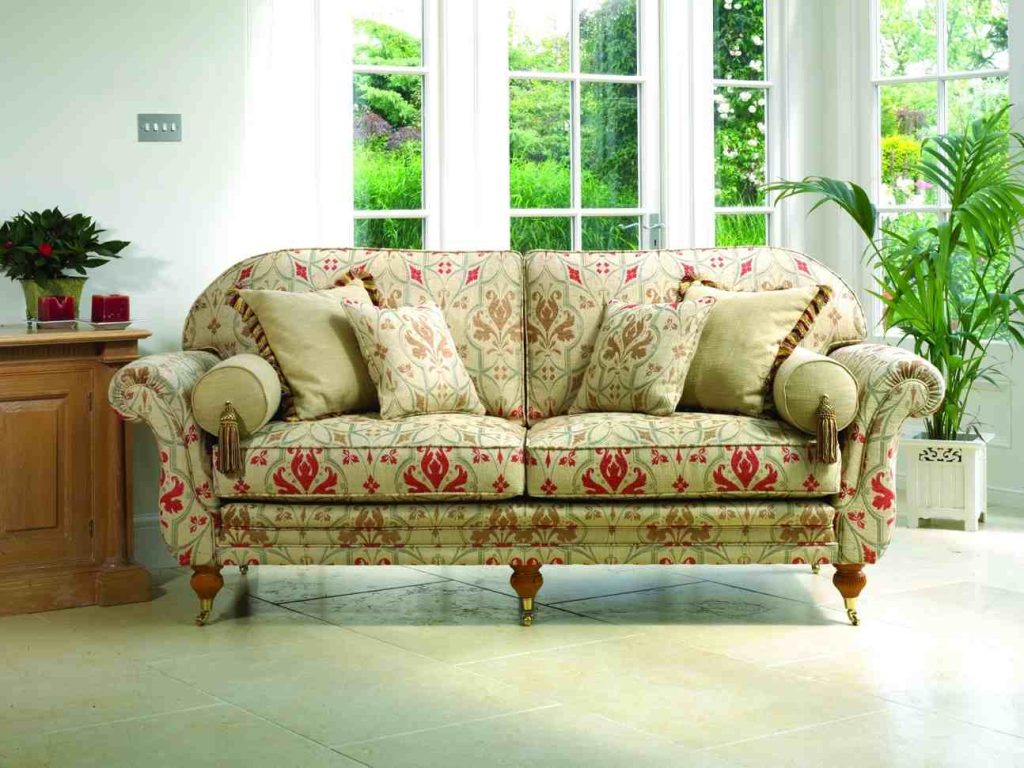
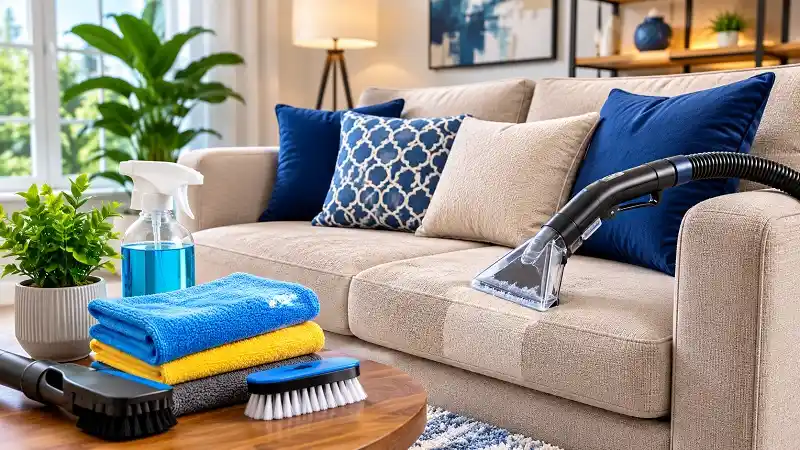
Learning how to clean upholstery is simple once you know the right order of steps. Check the fabric care code first. Vacuum the surface to remove loose dirt. Treat stains by blotting with a mild cleaner. Wash the fabric with light suds and very little water. Then let everything air dry fully. This guide covers every type of upholstered furniture in your home. That includes sofas, couches, fabric chairs, recliners, headboards, throw pillows, outdoor patio cushions, and even car seats.
What Does Upholstery Cleaning Mean?
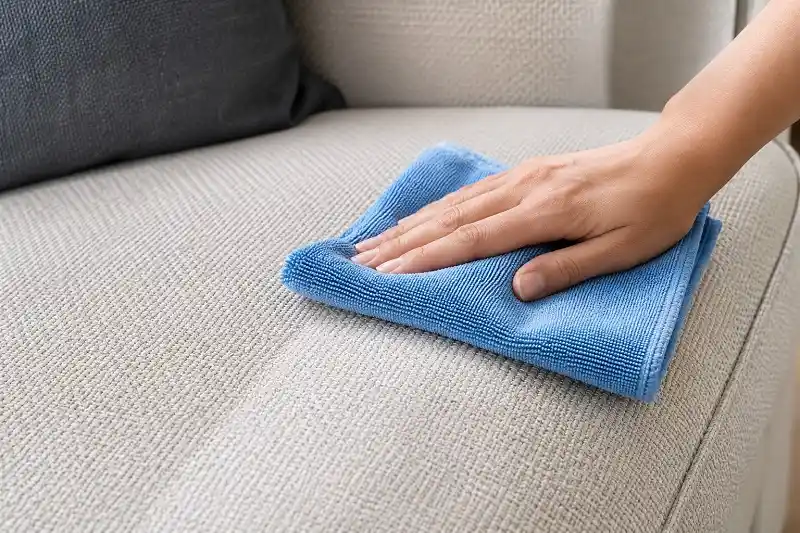
Upholstery cleaning means removing dirt, dust, stains, odors, and allergens from the fabric and padding that cover furniture. Upholstery is the soft layer on any padded piece. It includes the outer fabric, the foam, the springs, and the stuffing under it.
Furniture collects more grime than most people notice. Dust settles into the fibers. Body oils rub off on the arms and headrests. Crumbs slip between cushions. Pet hair clings to the surface. Regular cleaning stops this buildup, keeps the fabric looking fresh, and adds years to the life of your furniture.
Types of Upholstery You Can Clean at Home
Almost every padded item in and around your home counts as upholstery. This guide covers all of these:
- Sofas, couches, loveseats, and sectionals
- Recliners
- Armchairs and accent chairs
- Dining chairs and bar stools
- Office chairs
- Ottomans and benches
- Upholstered headboards and bed frames
- Throw pillows and cushion covers
- Outdoor furniture cushions and patio seating
- Car seats and car interiors
Each type uses the same basic method with a few small changes. We will go through them one by one.
Check the Cleaning Code First
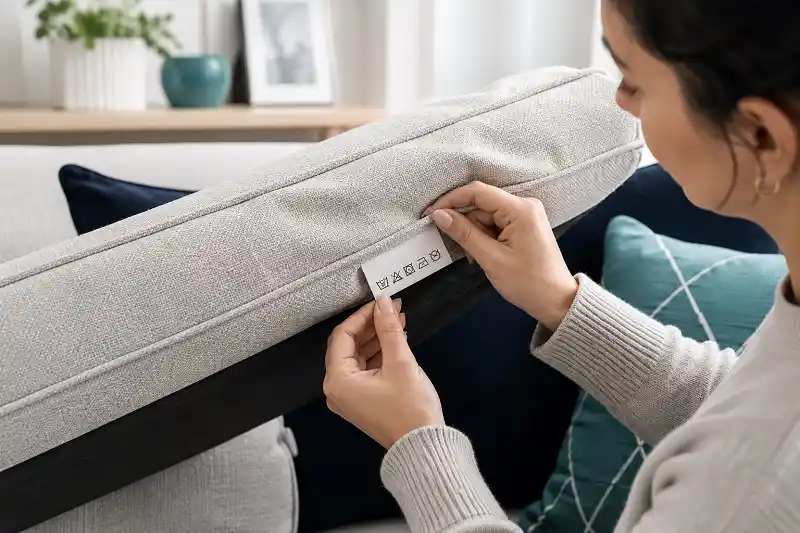
Every upholstered piece made for indoor use has a care tag. Look under the seat cushion or along the frame. The tag shows a cleaning code that tells you which cleaner is safe.
| Code | What It Means | Safe Cleaning Method |
| W | Water-based cleaners only | Mild soap and water, water-based upholstery shampoo |
| S | Solvent cleaners only | Dry cleaning solvent, no water at all |
| WS | Both water and solvent cleaners | Either method works; spot test first |
| X | No liquids of any kind | Vacuum only, call a professional for stains |
Outdoor cushions often have no tag. In that case, search the maker’s name online. Most brands post care instructions on their websites.
Always do a spot test before any wet cleaning. Pick a hidden area like a back corner. Apply a small amount of cleaner and wait a few minutes. If the color stays the same, the cleaner is safe.
What You Need Before You Start
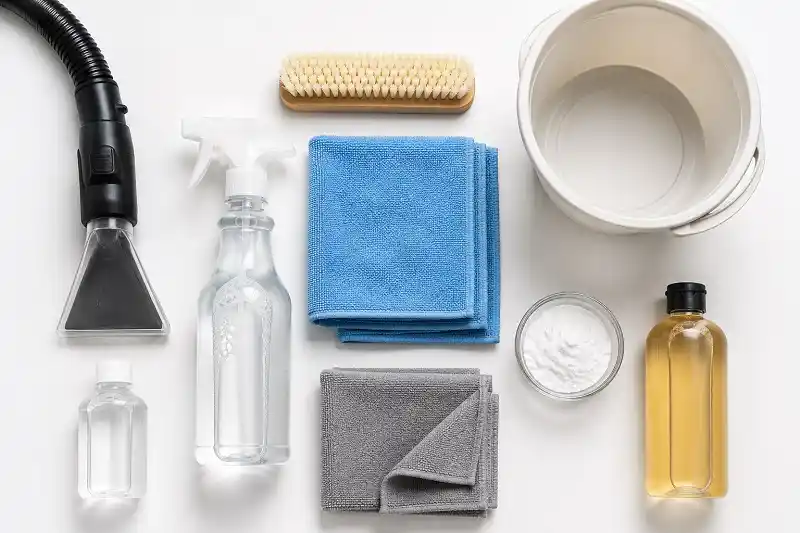
Gather these supplies first:
- A vacuum with an upholstery attachment and crevice tool
- A soft-bristle brush
- Two or three microfiber cloths
- Mild dish soap or liquid laundry detergent
- White vinegar
- Baking soda
- A spray bottle
- A bucket of warm water
- A garden hose (for outdoor pieces only)
You do not need an expensive machine for routine cleaning. These basic items handle most jobs. A portable deep cleaner helps with old, set in stains, but it is optional.
How to Clean Upholstery Step by Step
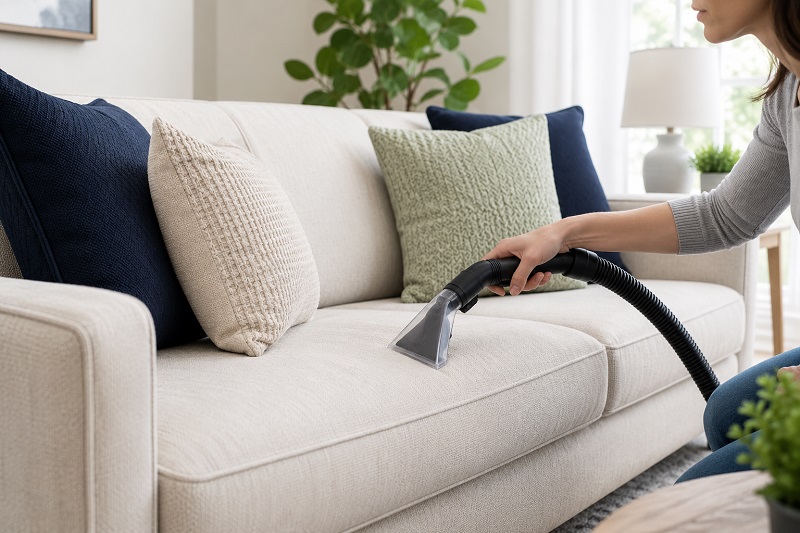
These five steps form the base method. Every section after this builds on it.
Step 1: Vacuum the Whole Surface
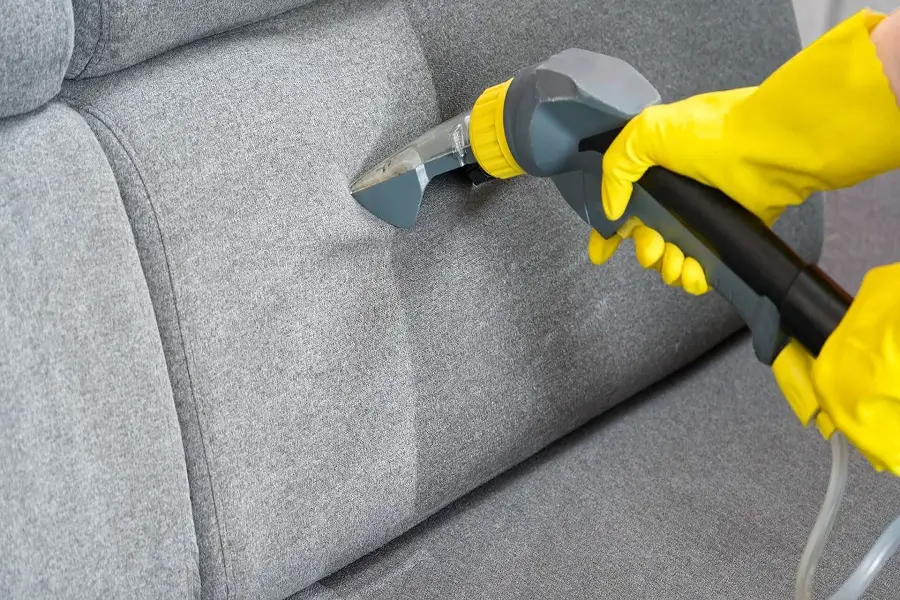
Use the upholstery attachment and move in short, slow strokes. Cover the seat, back, arms, and sides. Lift the cushions and vacuum under them. Run the crevice tool along seams, piping, and corners. This step matters most. Wet cleaning over loose dirt turns dust into mud inside the fabric.
Step 2: Do a Spot Test
Mix one teaspoon of mild dish soap in two cups of warm water. Dab a little on a hidden spot. Wait five minutes. If the fabric looks fine, continue.
Step 3: Treat Stains by Blotting
Dampen a cloth with the soap solution. Press it on the stain and blot. Never scrub hard. Scrubbing pushes the stain deeper and damages the fibers. Work from the outside of the stain toward the center. For stubborn marks, spray a mix of half a cup of white vinegar and one cup of warm water. Wait two minutes and blot again.
Step 4: Clean the Full Surface
Whip the soap solution until suds form. Dip a soft brush into the suds only. Clean the fabric in small sections with gentle circles. Wipe each section with a clean, damp cloth to lift the soap. Use as little liquid as you can. Wet padding dries slowly and can grow mildew inside.
Step 5: Let It Dry Fully
Open a window or run a fan. Most fabric needs four to six hours to dry. Do not sit on the piece until it is completely dry. Fast drying prevents water rings and musty smells.
How to Clean Sofa Fabric and Couches
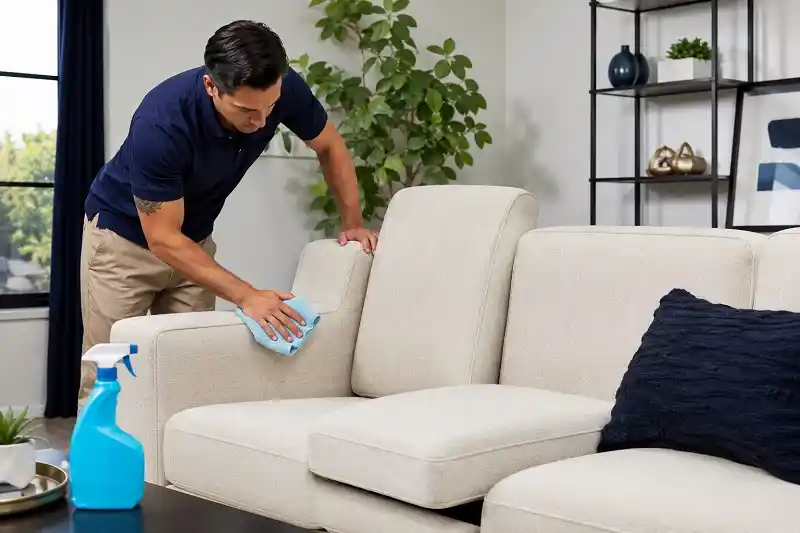
Couch cleaning follows the five steps above with extra care in heavy-use spots. Sofas take the most daily wear in any home.
Clean the arms and headrest twice. These areas collect body oils, sweat, and hair products faster than the seat. Vacuum between and under all cushions where crumbs and coins collect.
If your couch has removable cushion covers, check the tag. Some covers can go in a washing machine on a cold, gentle cycle. Air dry them flat and zip them back on slightly damp so they stretch into shape without shrinking.
Sectionals. Clean one section at a time so the whole piece is never wet at once. Pull sections apart to vacuum the hidden edges where they join.
Loveseats. Same method as a full sofa. The smaller size means the job takes half the time.
Recliners. Open the recliner fully before you start. Vacuum the footrest, the gap behind it and the inner frame. Dust hides in the folding parts. Keep liquids away from the metal mechanism so it does not rust.
The golden rule when you learn how to clean sofa upholstery fabric is this. Soak the cloth, never the couch. Blot, never rub.
How to Clean a Fabric Chair
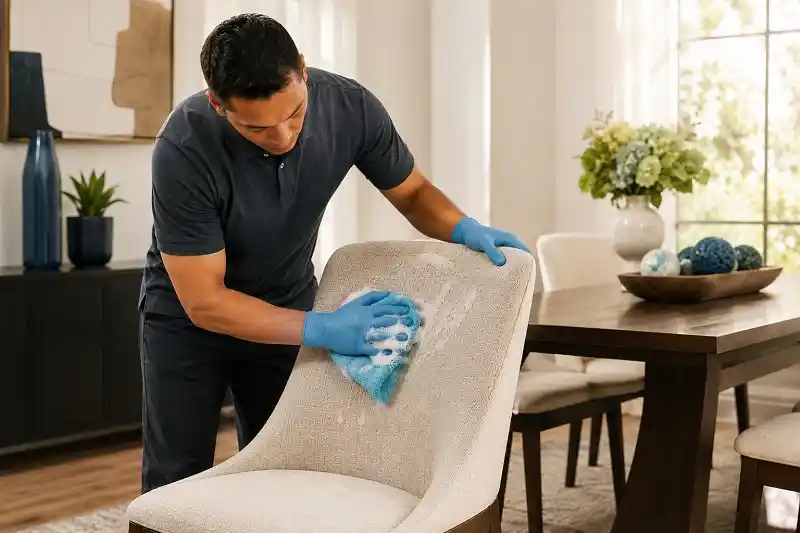
Here is how to clean a fabric chair of every common type. The base steps stay the same. Only the trouble spots change.
Armchairs and accent chairs. Focus on the front edge of the seat and the tops of the arms. Hands rest there all day and leave oil behind.
Dining chairs. Food and drink spills are the main issue. Blot spills the moment they happen with a dry cloth. Then clean with mild suds and towel dry. Clean dining chair seats monthly because crumbs grind into the weave.
Office chairs. Sweat, dust, and food crumbs build up fast on an upholstered chair you sit in for hours. Vacuum it weekly. Wipe the seat and backrest monthly with a barely damp soapy cloth. Let it dry overnight before your next workday.
Bar stools. Padded stool tops collect grease in kitchens. Wipe them with a cloth dipped in warm, soapy water, then rinse with a clean, damp cloth and dry.
Ottomans and benches. Shoes rest on these pieces so they hold ground in dirt. Vacuum very well before any wet cleaning.
How to Clean an Upholstered Headboard
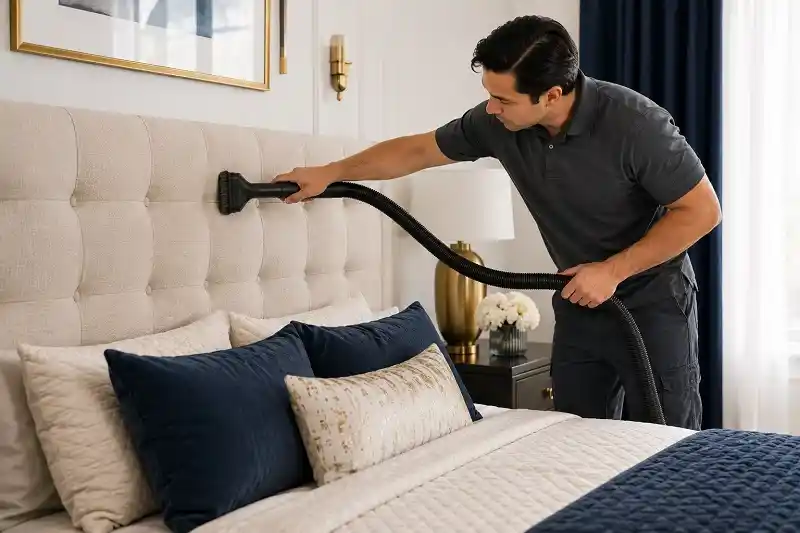
Headboards collect dust, hair oils, and skin products even though no one sits on them. Vacuum the full surface monthly with the soft brush attachment. Pay attention to button tufts and seams where dust gathers.
For oil marks where heads rest, blot with mild soap suds on a cloth. Use almost no water because a headboard cannot be flipped or aired out easily. Sprinkle baking soda over the fabric every few months, wait thirty minutes, and vacuum it up. This keeps the bed area smelling clean.
How to Clean Throw Pillows and Cushion Covers
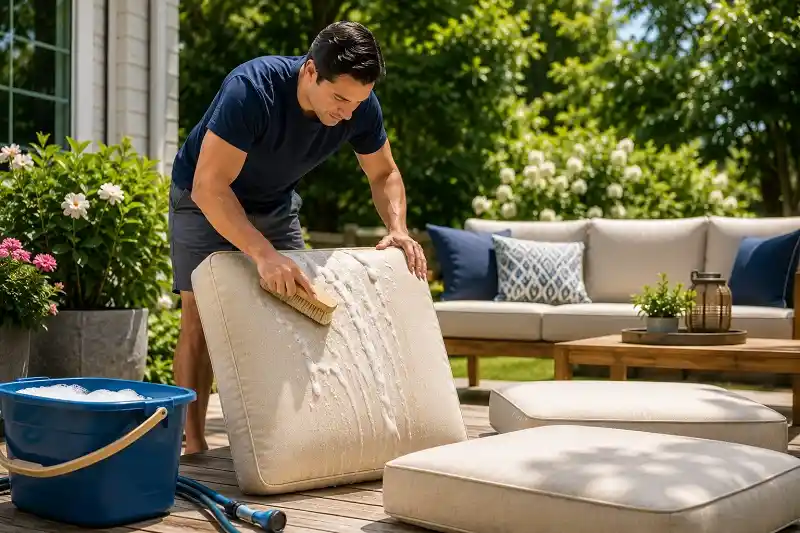
Check the tag first. Many covers zip off and can be machine-washed cold on a gentle cycle. Wash covers inside out to protect the front fabric. Air-dry them flat. Heat from a dryer can shrink covers so they no longer fit.
Pillows without removable covers get the spot clean method. Vacuum both sides, blot stains with mild suds, and stand the pillow upright to dry. Foam inserts should never be soaked. Sun and fresh air refresh pillow inserts better than washing.
How to Clean Outdoor Furniture Upholstery
Outdoor upholstery faces sun, rain, dirt, pollen, bird droppings, sunscreen, and mold. It needs a stronger routine than indoor furniture, but the work is still simple. Most outdoor cushions use performance fabric like solution-dyed acrylic or olefin. These fibers handle water and scrubbing far better than indoor fabric.
Step 1: Pick the Right Spot
Clean outdoor cushions outside on a deck, patio, or lawn. Lay down a tarp so the cushions do not pick up new dirt from the ground. Start in the morning so they have the whole day to dry.
Step 2: Remove Loose Dirt
Shake each cushion hard. Then vacuum both sides with the crevice tool along the piping and seams. Mildew spores and crumbs hide in these pockets.
Step 3: Wash with Soap and Water
Mix a quarter cup of mild soap or liquid laundry detergent in a gallon of lukewarm water. Dip a soft-bristle brush in the mix and scrub the whole cushion on both sides. Let the soapy water soak into the fabric for about fifteen minutes. The soak loosens deep dirt that quick wiping misses.
Step 4: Rinse with a Hose
Rinse with a garden hose on low pressure until no suds remain. Leftover soap attracts new dirt and can discolor the fabric. Never use a high-pressure jet up close because it can tear the seams.
Step 5: Press and Air Dry
Press the cushions with your hands to squeeze out extra water. Stand them on their sides in a sunny spot so water drains from one edge. Make sure they dry fully before they go back on the furniture. Damp cushions grow mold from the inside.
How to Remove Mold and Mildew from Outdoor Cushions
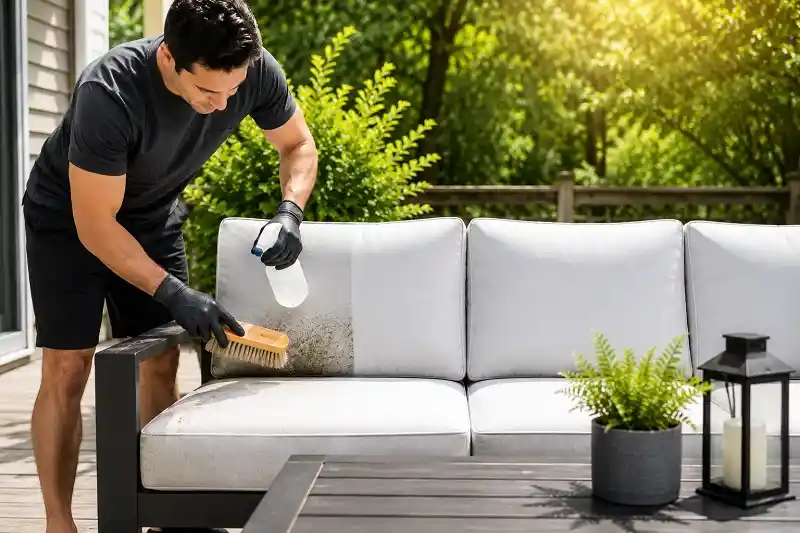
Mix equal parts white vinegar and water in a spray bottle. Spray the moldy spots and wait fifteen minutes. Scrub gently with a soft brush, rinse, and dry in the sun. Sunlight helps kill any spores left behind. For heavy mold on white or light fabric, a mix of one cup of bleach and a quarter cup of mild soap per gallon of water works. Spot test first because bleach can fade some colors.
Common Outdoor Stains
| Outdoor Stain | Treatment |
| Bird droppings | Scrape off solids, wash with soap and water, rinse with a hose |
| Sunscreen and body oils | Sprinkle cornstarch or baking soda, wait fifteen minutes, brush off, and wash with dish soap |
| Tree sap | Soften with a little oil soap, scrape gently, wash with soap and water |
| Mold and mildew | Vinegar and water spray, scrub, rinse, dry in full sun |
| Pollen | Shake off dry, vacuum, then wipe with a damp cloth |
Care Between Cleanings
Brush or shake cushions weekly during the season. Clean spills right away. Store cushions in a dry covered spot during rainy weeks and over winter. A deep clean at the end of the season stops mold from growing in storage. These habits double the life of outdoor fabric.
How to Clean Car Upholstery
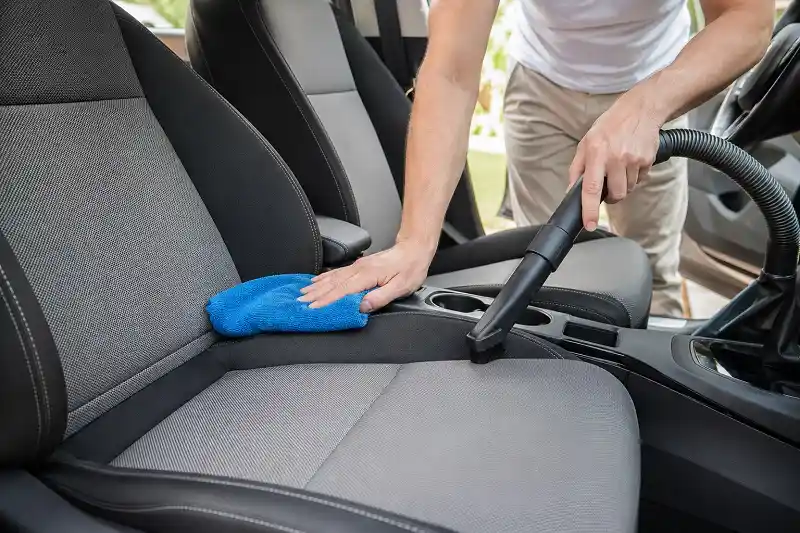
Car seats count as upholstery too, and they take heavy abuse from food, coffee, mud, and sun.
- Vacuum the seats, the seat backs, and the gaps where the seat meets the backrest.
- Mix mild soap with warm water and lightly dampen a microfiber cloth.
- Wipe the fabric in straight lines and blot any stains.
- Wipe again with a clean, damp cloth to remove soap.
- Leave the windows open for a few hours so the seats dry fully.
For leather car seats, use a damp cloth only and follow with a leather conditioner. Never soak car seats because trapped moisture under the fabric causes musty smells that are hard to remove.
Cleaning Different Upholstery Fabrics
| Fabric Type | How to Clean It | What to Avoid |
| Cotton and linen | Mild soap suds, blot dry | Hot water, it shrinks natural fibers |
| Microfiber | Check the tag, many need solvent cleaners, rubbing alcohol on a cloth lifts spots | Too much water, it leaves rings |
| Velvet | Vacuum with soft brush, blot spills fast, light steam lifts the pile | Hard pressing, it crushes the pile |
| Leather | Damp cloth wipe, conditioner twice a year | Vinegar and harsh soap, they dry the hide |
| Suede | Dry brush only, suede eraser for marks | Water of any kind |
| Polyester and synthetic blends | Mild soap and water, very durable | Bleach and strong chemicals |
| Outdoor acrylic and olefin | Soap and water scrub, hose rinse, mild bleach mix for mold on solution-dyed fabric | High-pressure washing up close |
How to Remove Common Indoor Stains
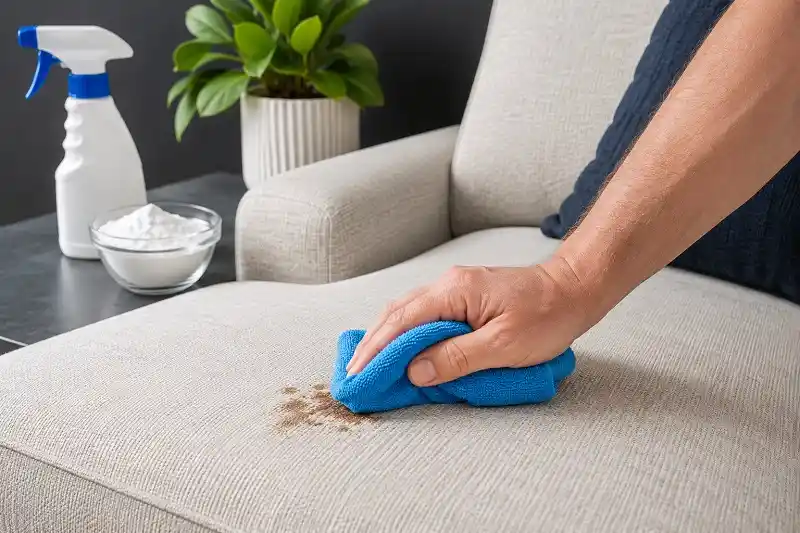
Act fast. Fresh stains lift far easier than old ones. Blot the spill with a dry cloth first, then use the right treatment.
| Stain | Treatment |
| Coffee and tea | Blot, then dab with one part vinegar and two parts water |
| Red wine | Blot, cover with salt for ten minutes, vacuum, then clean with soap suds |
| Grease and oil | Sprinkle baking soda, wait fifteen minutes, vacuum, then blot with soap solution |
| Ink | Dab gently with rubbing alcohol on a cotton ball, blot dry |
| Pet accidents | Blot, clean with soap suds, then spray the vinegar mix to remove odor |
| Chocolate | Scrape solids with a spoon, then blot with cold, soapy water |
| Blood | Blot with cold water only; warm water sets the stain |
How to Remove Odors from Upholstery
Baking soda fixes most smells. Sprinkle a thin layer over the whole surface. Wait thirty minutes, or a full hour for strong pet or smoke odors. Then vacuum it up. Baking soda pulls odors out of the fibers instead of masking them.
Fresh air finishes the job. Open windows while furniture dries. Sunlight kills odor-causing bacteria. Just keep dark colored fabric out of direct sunlight for long stretches because it can fade.
Common Upholstery Cleaning Mistakes
- Skipping the vacuum step. Wet cleaning over loose dirt makes mud inside the fabric.
- Using too much water. Soaked padding takes days to dry and grows mold inside.
- Scrubbing stains hard. Rubbing spreads stains and wears the fibers. Always blot.
- Ignoring the cleaning code. Water on S or X-coded fabric leaves permanent rings.
- Skipping the spot test. Some dyes bleed even with gentle cleaners.
- Machine washing covers that are not washable. They shrink and never fit again.
- Storing outdoor cushions in a damp. Mold will cover them by next season.
- Sitting on damp furniture. Weight presses moisture deeper and reshapes wet foam.
How Often Should You Clean Upholstery?
| Task | How Often |
| Vacuum indoor furniture | Once a week |
| Spot clean spills | Right away |
| Flip and rotate cushions | Every two weeks |
| Baking soda odor treatment | Once a month |
| Full surface cleaning | Every two to three months |
| Outdoor cushion wash | Monthly in-season plus a deep clean before storage |
| Car seat cleaning | Every one to two months |
| Professional deep cleaning | Once or twice a year |
Homes with kids or pets need shorter gaps between cleanings. Guest room furniture can go longer.
When to Call a Professional
Some jobs need trained hands. Call a professional when:
- The care tag shows an X code
- The fabric is silk, antique, or very delicate
- A stain has set for months, and home methods fail
- Mold has reached inside the cushions
- The piece smells musty even after the baking soda treatment
- The furniture is of high value, and you do not want any risk
A professional deep clean costs far less than a new sofa. Once a year is enough for the most heavily used pieces.
Final Thoughts
Cleaning upholstery comes down to a few habits that work on every piece you own. Check the code, vacuum often, blot spills the moment they happen and keep water use low. The same gentle method protects your sofa fabric, your dining chairs, your headboard, your patio cushions and your car seats. A few minutes of care each week keeps every padded surface in your home fresh and saves you the cost of replacing furniture for years to come.
FAQs About Cleaning Upholstery
What is the best homemade upholstery cleaner?
Mix one teaspoon of mild dish soap with two cups of warm water. Add half a cup of white vinegar for tougher dirt. This mix is safe for most W and WS coded fabrics. Spot test first.
How do I clean upholstery without a machine?
Vacuum first, blot stains with mild soap suds, wipe the surface with light suds on a soft brush, then wipe clean with a damp cloth and air dry. A machine only helps with deep set stains.
Can outdoor cushions go in the washing machine?
Only if the care tag says so. Most outdoor cushion covers should be hand washed with soap and water then hose rinsed. Machine washing can shrink covers and break down water resistant coatings.
How do I get mold off outdoor furniture cushions?
Spray equal parts white vinegar and water on the mold. Wait fifteen minutes, scrub with a soft brush, rinse with a hose and dry the cushions in full sun. Sunlight kills leftover spores.
How long does upholstery take to dry?
Indoor fabric dries in four to six hours with good airflow. Outdoor cushions can take a full day. Stand them on their sides so water drains from one edge.
Does baking soda really clean upholstery?
Yes. Baking soda absorbs odors and loosens light surface dirt. It will not remove stains alone but it works very well for smells. Sprinkle, wait thirty minutes and vacuum.
Is steam cleaning safe for all upholstery?
No. Steam suits most W and WS coded fabrics but it can crush velvet pile, shrink natural fibers and ruin S or X coded materials. Check the tag first.
How often should I clean my car upholstery?
Vacuum car seats every two weeks and wipe the fabric with mild suds every one to two months. Treat spills right away because heat inside a parked car sets stains fast.