You sink into your favourite sofa after a long day, and it feels soft, supportive, and just right. That comfort does not come from the wooden frame. It comes from everything wrapped around it. That hidden work has a name, and it shapes how your furniture feels, looks, and lasts.
This guide explains what furniture upholstery is in plain words. You will learn the meaning behind the term, the layers that go into a cushioned piece, the best upholstery fabrics to pick, and how to care for it all. By the end, you will know exactly what you are paying for when you buy a sofa or chair.
What Is Furniture Upholstery?
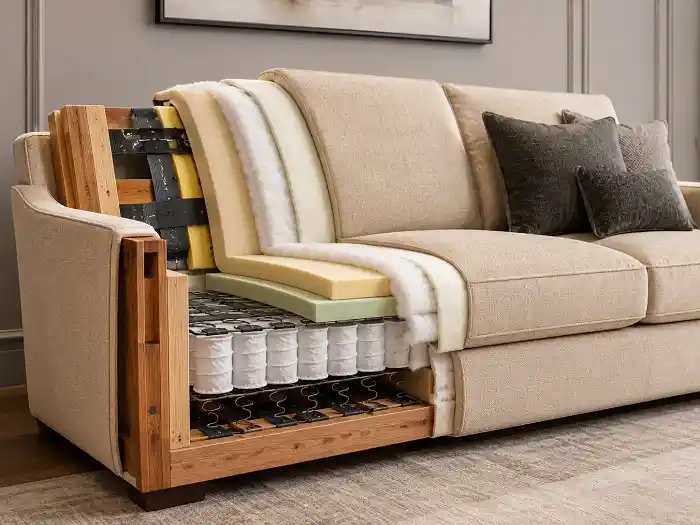
Furniture upholstery is the soft material that covers and cushions a piece of furniture. It includes the padding, springs, webbing, and the fabric or leather on top. Together, these layers turn a bare wooden frame into something comfortable to sit on.
So, what is upholstery in the simplest sense? It is the craft of adding softness and a finished cover to furniture. The word also points to the materials themselves. When someone talks about the upholstery on a chair, they often mean the fabric you see and touch.
The upholstery meaning goes back to the Middle English word “upholder.” That word described a tradesperson who maintained and held up furnishings. A person who does this work today is called an upholsterer.
What Does “Upholstered Furniture” Mean?
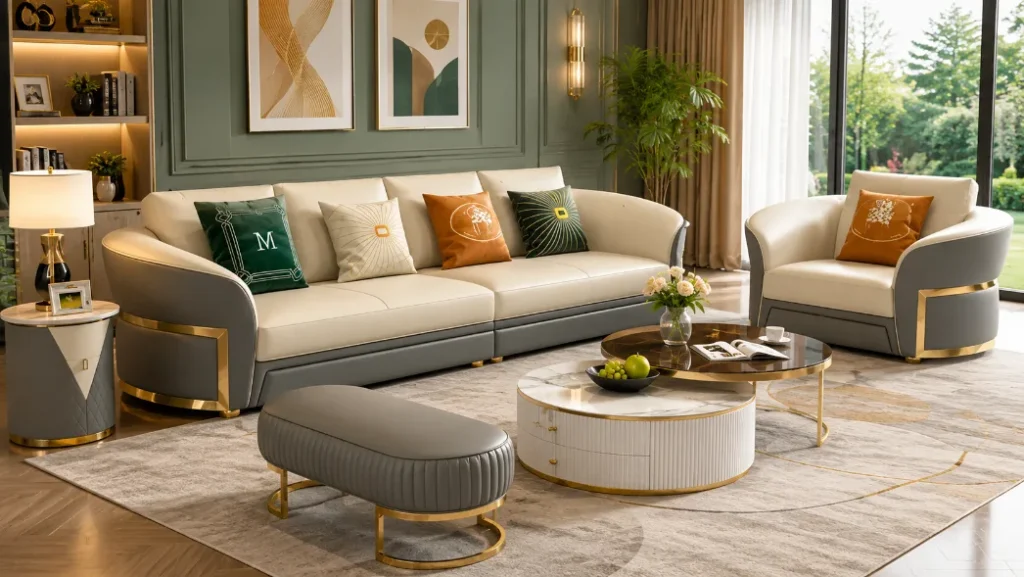
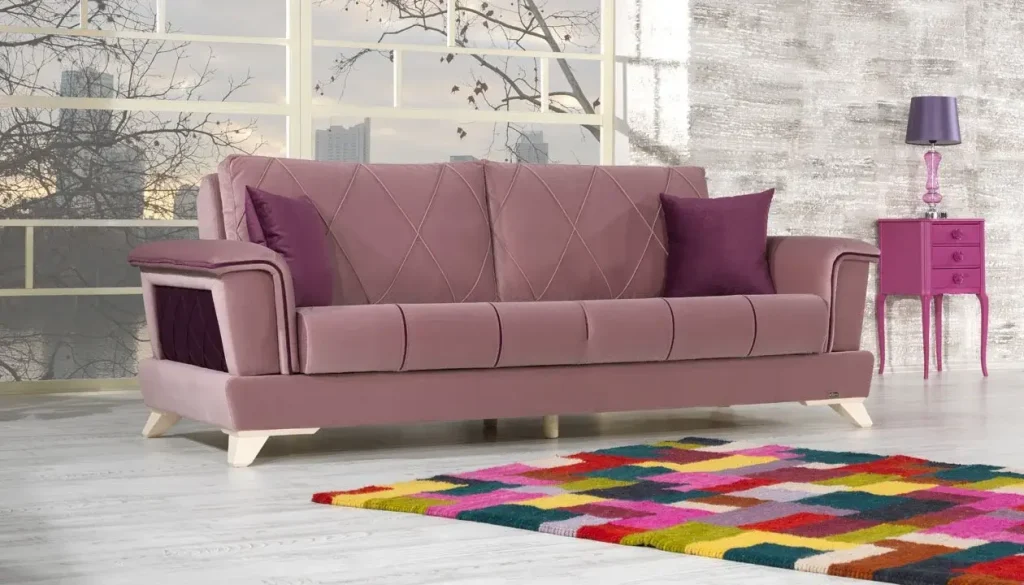
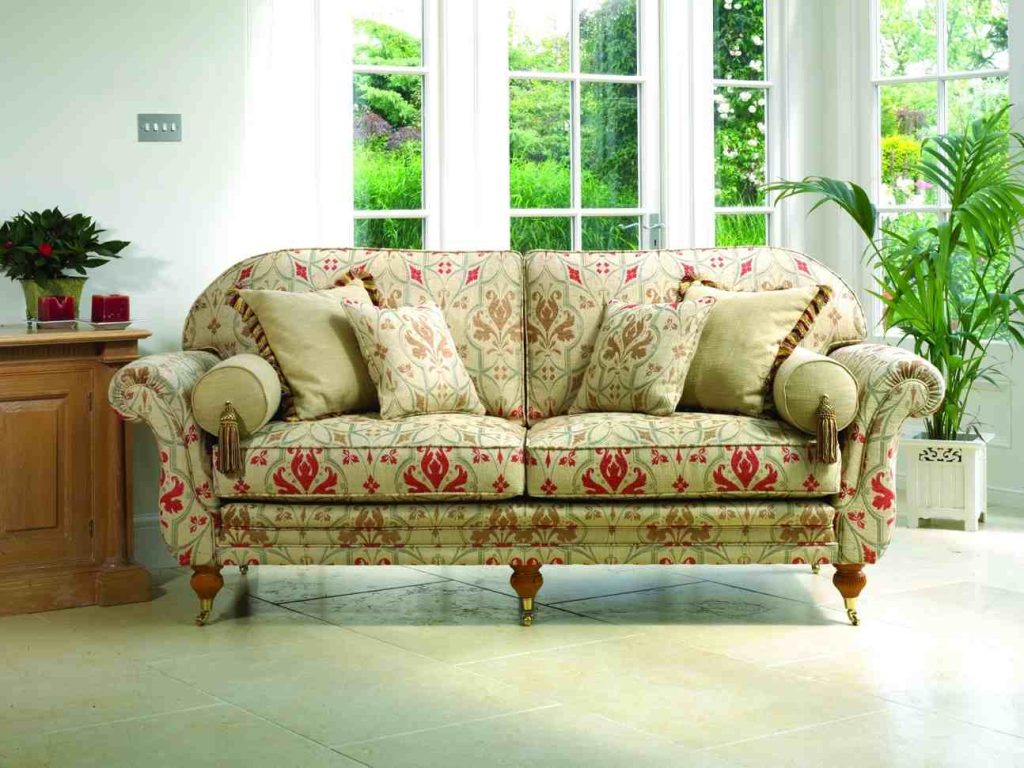
So what is upholstered furniture? It is any piece that has been wrapped in cushioning and covered with fabric or leather. The padding is what you feel. The cover is what you see.
A plain wooden dining chair is not upholstered. Add a padded seat covered in linen, and now it is. That single change is the line between bare furniture and upholstered furniture.
The easiest way to picture it is a club chair next to a kitchen stool. One invites you to stay a while. The other is built only to hold you up. The difference is the soft layers underneath the surface.
The Layers Inside Upholstered Furniture
Good upholstery is built like a sandwich. Each layer sits on the one below it, and each has a job. Skip a layer and the whole piece feels cheap within a year.
| Layer | What it does |
| Frame | The wooden or metal skeleton that gives shape and strength |
| Webbing | Woven straps stretched across the frame for a flexible base |
| Springs | Coils that add bounce and even support under the cushions |
| Padding and foam | The soft fill that creates comfort and holds the shape |
| Batting and wrap | A thin layer that smooths the foam and stops lumps |
| Cover | The fabric or leather you see, sit on, and clean |
When a sofa starts to sag, one of these layers has usually given out. A skilled upholsterer can rebuild the weak layer instead of replacing the whole piece.
Types of Upholstered Furniture
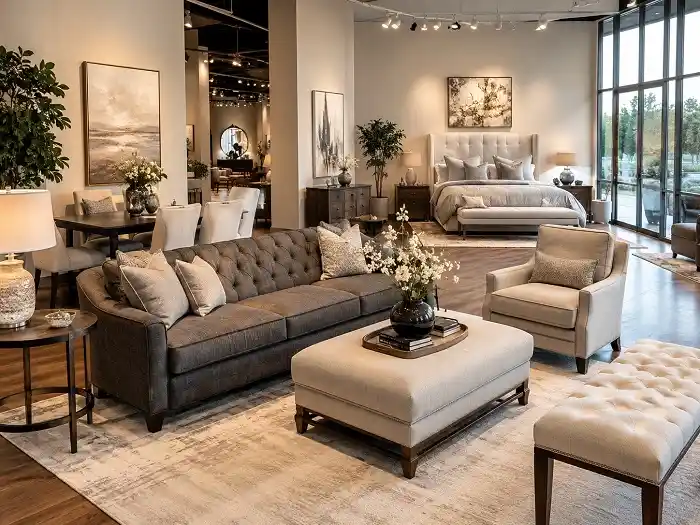
Upholstery reaches far past the sofa. Almost anything you sit on, lean against, or rest on can be upholstered.
Sofas and armchairs are the obvious ones. Accent chairs like wingbacks and slipper chairs bring personality to a corner. Dining chairs now often have padded seats and backs for longer, more comfortable meals.
Beds join the list, too. An upholstered bed has a frame wrapped in padded fabric, and a headboard adds a soft place to lean while reading. Ottomans, benches, and window seats round out the family, each one adding comfort and a softer look to a room.
Common Upholstery Materials
The materials inside a cushion decide how it feels and how long it holds up. Most pieces use a mix, layered to balance comfort and support.
| Material | Best for |
| Polyurethane foam | Everyday seat and back cushions, in soft to firm densities |
| High-density foam | Firm support that keeps its shape over years of use |
| Memory foam | Cushions that mould to your body, used in higher-end pieces |
| Down and feather | Soft, plush comfort in luxury sofas and pillows |
| Polyester fiberfill | Light, fluffy filling for back cushions and toss pillows |
| Cotton batting | A natural smoothing layer between foam and fabric |
| Dacron wrap | A synthetic wrap that keeps foam plump and neat |
| Coil springs | Hidden support in seats for bounce and even comfort |
High-density foam tends to last the longest in daily use. Down feels wonderful but needs regular fluffing to keep its shape.
Best Upholstery Fabrics
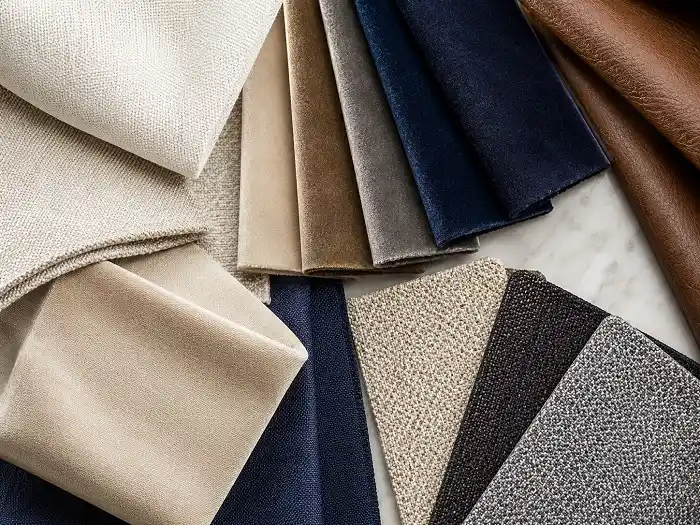
The cover is the part you live with every day, so the fabric choice matters as much as the fill. The best upholstery fabrics balance how they look, how they feel, and how well they survive real life.
Natural Fabrics
Cotton is soft, breathable, and friendly for everyday seating. Linen brings a crisp, casual elegance and holds its shape well. Wool adds warmth and is naturally tough. Velvet gives a room a rich, luxurious feel, while leather offers a wipe-clean surface that ages beautifully.
Synthetic and Performance Fabrics
Polyester resists stains and wear, which makes it a smart pick for busy homes. Performance fabrics take this further. They are engineered to shrug off spills, clean up with soap and water, and stand up to heavy use. For families with kids or pets, performance linen is one of the most reliable choices you can make.
How to Choose the Right Upholstery Fabric
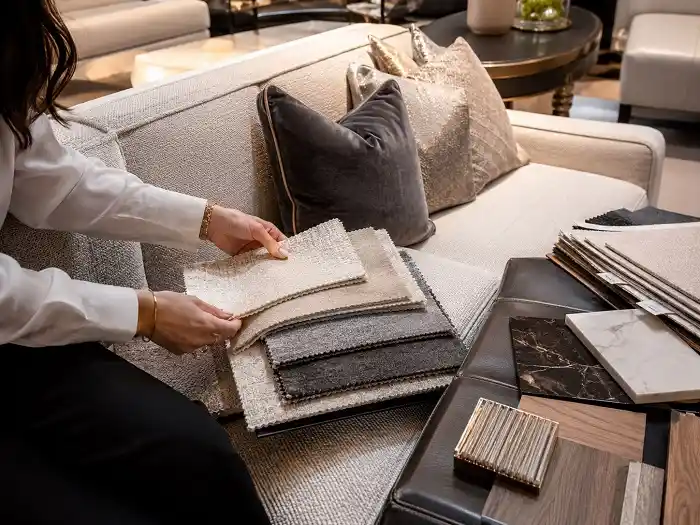
Picking a fabric is easier when you start with how you actually live. A quiet study calls for different material than a family room with three children and a dog.
Start with durability. Upholstery fabrics carry a rub count, sometimes called a Martindale rating, that measures how much wear they can take. A higher number means a tougher fabric. For seating that gets daily use, look for a strong rub count rather than the prettiest swatch.
Next, think about your household. Kids and pets call for stain-resistant, easy-to-clean fabrics. Avoid materials that wrinkle easily, like some rayon blends, or that trap pet hair, like microfiber and suede.
Then consider color and pattern. Deep tones and patterns hide marks better than pale solids. Lighter shades feel airy but show every spill. Match the fabric to the room you have, not the room in a photo.
Traditional Versus Modern Upholstery
Traditional upholstery is a slow, handmade craft. The upholsterer builds each layer by hand using coil springs, animal hair, coir, and cotton wadding. This method has roots that stretch back through the Renaissance to ancient Egypt, where padded seating first appeared.
Modern upholstery speeds things up with synthetic foam, serpentine springs, and machine-woven fabrics. The look can be identical, but the build is faster and often easier to repair. Both approaches share the same goal, which is comfort that lasts.
Upholstery Techniques That Hold It Together
The way fabric is attached is part craft and part decoration. A few key techniques do most of the work.
Plain seams join two pieces of fabric for a clean line. Topstitching runs a visible row of stitches along the surface for strength and style. Piping tucks a cord into the seam to sharpen the shape of an arm or cushion. Buttoning and tufting pull the fabric down in a pattern, which is the classic look you see on a Chesterfield sofa. Each method holds the cover in place while adding character to the finished piece.
Why Upholstered Furniture Is Worth It
The first reason is comfort, plain and simple. A padded seat is kinder to your back than a wooden one, especially when you plan to sit for more than a few minutes.
The second reason is softness. Cushioned pieces add a warm, cosy feel to a room and take the hard edge off a space. The third reason is choice. Upholstered furniture can be made in almost any shape, colour, and fabric, so it bends to your style instead of the other way around.
Reupholstery : Refresh Instead of Replace
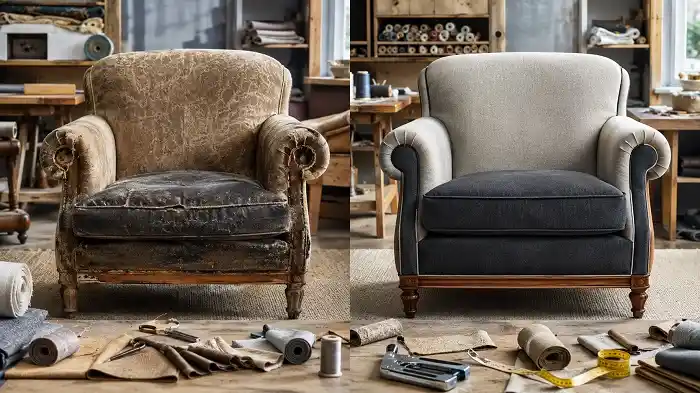
Reupholstery means giving an old frame new life with fresh padding and a new cover. If the frame is solid and you love the shape, this is often the smarter move.
It also tends to be the greener one. Reusing a sturdy frame keeps furniture out of landfill and saves the wood and energy needed to build a new piece. Many well made sofas are built to be recovered more than once.
Watch for the signs that a piece is ready. Sagging seats, torn fabric, faded color, and a wobbly frame all point to a refresh. A good upholsterer can tell you quickly whether a piece is worth saving or better replaced.
How to Care for Upholstered Furniture
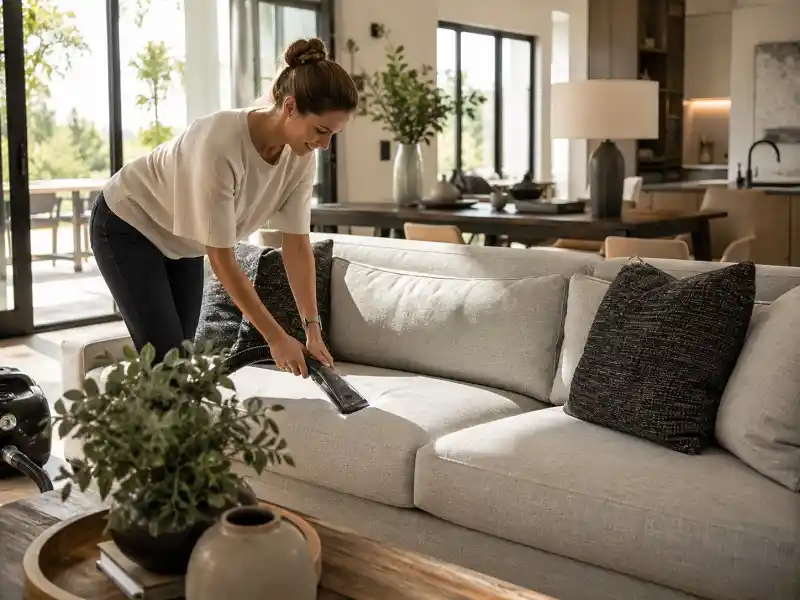
A little routine care keeps upholstery looking fresh for years. The goal is to stop dirt and spills before they settle in.
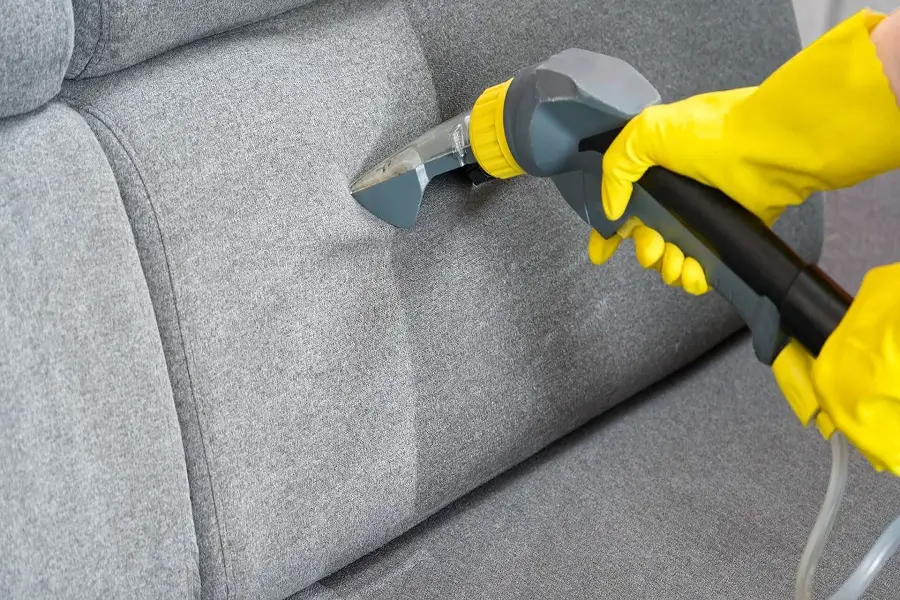
Blot spills right away instead of rubbing them, since rubbing pushes the stain deeper. Spot clean with a product that suits your fabric, and skip harsh chemicals that can fade or weaken the fibres. A fabric protector spray adds a helpful shield against everyday spills.
Every so often, a professional cleaning reaches the deep dirt that home cleaning misses. Quick inspections also help, so you can fix a small tear before it grows into a big one.
When to Call a Professional Upholsterer
Some jobs are worth handing to an expert. Full reupholstery, spring repair, and bespoke shapes all call for trained hands and the right tools.
Look for an upholsterer with a clear track record and honest reviews. Ask about their experience with pieces like yours, request photos of past work, and get a written estimate of cost and timing. Many customers find that a trusted local upholsterer delivers better value than buying new, and the results last for years.
Final Thoughts
Furniture upholstery is the quiet craft that turns a bare frame into a piece you actually want to sit on. Once you understand the layers inside, the fabrics on top, and the care they need, you can shop with confidence and keep what you own looking its best for years.
Whether you are choosing a new sofa or thinking about refreshing a favourite chair, the same idea holds true. Good upholstery is an investment in comfort, and a little knowledge helps every dirham or dollar go further.
Frequently Asked Questions
What is the difference between upholstery and reupholstery?
Upholstery is the original work of padding and covering a piece of furniture. Reupholstery is redoing that work on an existing piece, usually with new padding and a fresh fabric cover.
What is the most durable upholstery fabric?
Performance fabrics and tightly woven synthetics like polyester tend to last longest. Leather and heavy wool are also very tough. Check the rub count to compare options.
Can any furniture be upholstered?
Almost any piece with a surface for sitting, leaning, or resting can be upholstered. Sofa Upholstery, chairs, beds, headboards, ottomans, and benches are all common choices.
How long does upholstered furniture last?
A well-made, well-cared-for piece can last ten to fifteen years or more. Quality foam, a solid frame, and a strong fabric all add to its life.
Is upholstered furniture easy to clean?
It can be, especially with stain-resistant or performance fabrics. Quick blotting, gentle spot cleaning, and the occasional professional clean keep it looking good.